

Email Marketing That Doesn't End Up in Spam
In 2025, email marketing remains one of the most effective communication and sales tools for any business. Despite the rise of social media and other channels, email is the most direct way to speak to your audience, send a personalised message and build a relationship of trust. email marketing remains one of the most effective communication and sales tools for any business. Despite the rise of social media and other channels, email is the most direct way to speak to your audience, send a personalized message, and build a trustworthy relationship.
However, many people face a common problem: their emails end up in the spam folder or their open rate does not exceed 10%. This leads to low ROI, wasted time and, of course, frustration. So the point is not simply to send an email; the point is for our email to reach the right recipient at the right time, with content that is worth reading.
In the guide below, we will look at why your emails end up in spam, the best practices to avoid it, how to increase open rates and how email marketing can truly pay off.
Why do emails end up in the spam folder?
This is one of the most critical issues in email marketing, as emails often never reach the inbox at all. This happens because email providers, such as Google and Microsoft, run an extremely strict system of spam filters to protect their users.
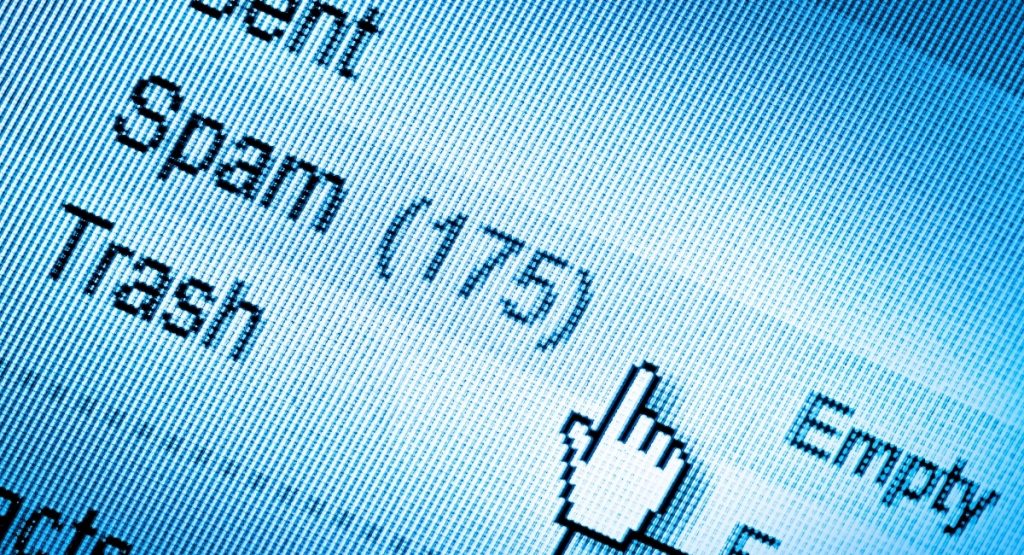
These filters combine dozens of parameters, and if an email looks suspicious, it is automatically sent to spam. That is why you should try to avoid the following:
Using misleading subject lines that promise something the email does not contain. A subject line that promises big discounts, gifts or information that is not in the body of the email is considered clickbait. As a result, the email will be flagged as spam and, even worse, recipients of such emails become frustrated and tend to unsubscribe or, worse still, report it. This seriously damages your sender reputation.
Excessive use of capital letters or punctuation.A subject line such as “BUY NOW!!!!” not only suggests that the sender is somewhat desperate, it is also a “red flag” for spam filters. Excessive formatting is associated with low-quality unwanted messages. Your subject lines should be clean, direct and professional, without exaggeration.
Lack of proper authentication (SPF, DKIM, DMARC) on the sending domain.These three protocols act as digital seals of authenticity. If they are not configured, email providers cannot verify the sender's authenticity. As a result, your emails are blocked or end up in spam, even if their content is flawless.
Too many links or malicious links.Emails with too many links are an advertising excess that undermines credibility. In particular, if any of the links leads to a suspicious or insecure website, the email is automatically flagged as spam. Ideally, there should be 1-2 clear and useful call-to-action links that take the user exactly where they need to go.
Purchased email lists containing inactive addresses or “spam traps”.Buying an email list is one of the most serious mistakes. These lists very often contain non-existent addresses, bots or spam traps, which were created to catch senders who do not follow the rules. As a result, you get low open rates, a sharp drop in sender reputation and, of course, the risk of a permanent block.
Irregular sending, which makes the server see the pattern as suspicious.If you send emails once every six months and suddenly start bombarding people with campaigns every week, providers will simply see suspicious activity. So make sure you send at a steady pace, so that servers and users “get used to” your activity.

Best practices for staying out of the spam folder
So what should you do to ensure successful email marketing? You need to combine technical organisation with strategic communication. Starting with the technical settings, you should know that email providers rely on systems such as SPF, DKIM and DMARC.
This is how they check whether a message comes from a legitimate source.
SPF (Sender Policy Framework) verifies whether the email was sent from a server authorised for your domain.
DKIM (DomainKeys Identified Mail) adds a digital signature proving that the content was not altered in transit.
And DMARC (Domain-based Message Authentication, Reporting and Conformance) combines the two above and offers even greater protection.
Without these, the chances of an email being flagged as spam increase dramatically.
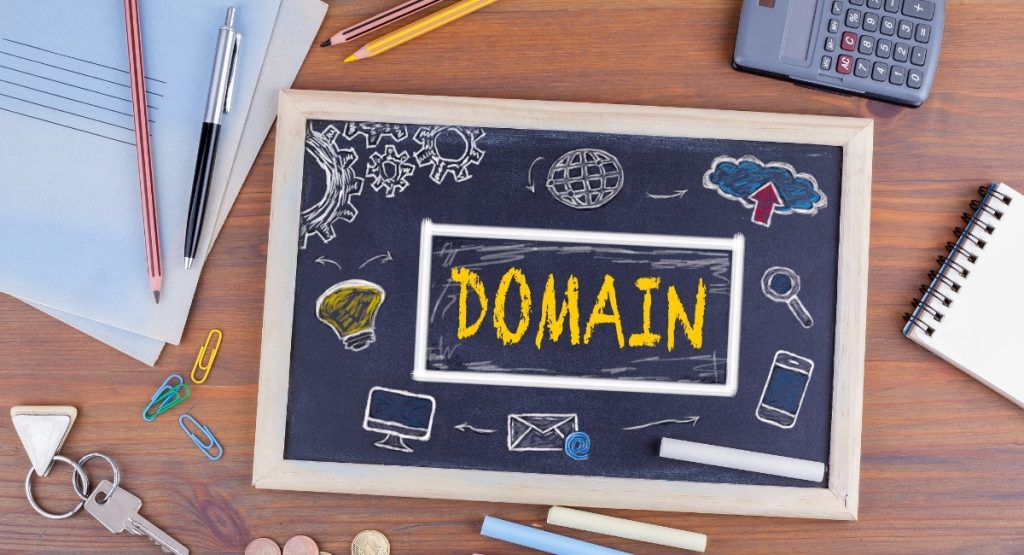
The second most critical point is using a professional domain. Sending emails from free addresses such as Yahoo reduces your credibility. Use a company domain to strengthen your reputation and show consistency in your communication.
Other important parameters to watch
Cleaning your email list is just as important.
An email marketing list cannot stay static. You need to regularly remove inactive addresses, bounces or recipients who have not engaged for months. This reduces the risk of being labelled a spammer and increases your engagement rates.
It is also important to let people unsubscribe with a single click.
It may seem counterproductive, but in reality it helps ensure that only people who are genuinely interested stay on your list. Spam filters check whether recipients can easily leave your list and penalise brands that hide that “click”.
Do not forget about frequency.
Sending too many emails is an easy way to annoy users. The right balance depends on the industry and its audience, but as a general rule: quality is better than quantity.
Finally, do not forget to monitor performance.
Email marketing tools give you access to metrics such as delivery rates, spam complaints & reputation score. Continuous monitoring is what will make your campaigns successful.
How to increase open rates
Is it enough for an email to reach the inbox? Of course not. Even more important is that it gets opened. Open rates indicate whether your audience is genuinely interested in what you send them. And that is how you find out whether you have the right audience.
What you can do to increase open rates:
- Use subject lines that grab attention without being misleading. Try A/B testing with different formats.
- Keep the preview text short and relevant to the subject. It is your second chance to persuade the recipient.
- Send emails at times when your audience is most likely to read them. Analytics will show you the pattern.
- Segment your list. Send different messages to different customer groups to increase relevance.
- Keep your sending pace steady. Your audience should be expecting you, not forgetting you.
So, the more targeted your message, the higher your open rates will be. And as we approach 2026, remember that targeted quality and personalisation are the right communication strategy.
Personalisation and engagement
Do you know which email marketing does not end up in spam? The kind that treats each recipient as an individual. And this personalisation is not limited to a “Hi, Maria”. Personalisation is the ability to send your offers where they fit, based on your recipients' history. So the content should relate to their preferences.
Studies show that personalised emails have a 6 times higher transaction rate. That way, you will not need to put the recipient's name everywhere, because you will have learnt to use the data your tools give you.
In conclusion
Keeping your emails out of spam is not impossible.
If you have the right strategy, technical preparation and a user-focused approach, you can not only reach the inbox but also win your audience's attention.
So, instead of chasing the perfect design, focus on the quality of your list, transparency in your communication and consistency in your message. Because, as we have already stressed, the secret is not sending lots of emails. The secret to successful email marketing, where recipients want to open your messages, is sending the right message to the right people at the right time.